


What a joy to watch Ernesto Luis Doñas’ first feature film, Baracoa (2025), which recently screened at Toronto’s ICFF 2026 festival under the open night skies of the Distillery District.
The Cuban-Italian co-production came into existence after Doñas won development funding from ICAIC’s Film Development Fund and Ibermedia.
Baracoa is currently on the film festival circuit after debuting at the 46th edition of the International Festival of New Latin American Cinema in Havana in December 2025. It made its U.S. debut at the Havana Film Festival New York. In June, it screened at the 72nd edition of the Taormina Film Festival in Sicily. Other festivals will follow soon.
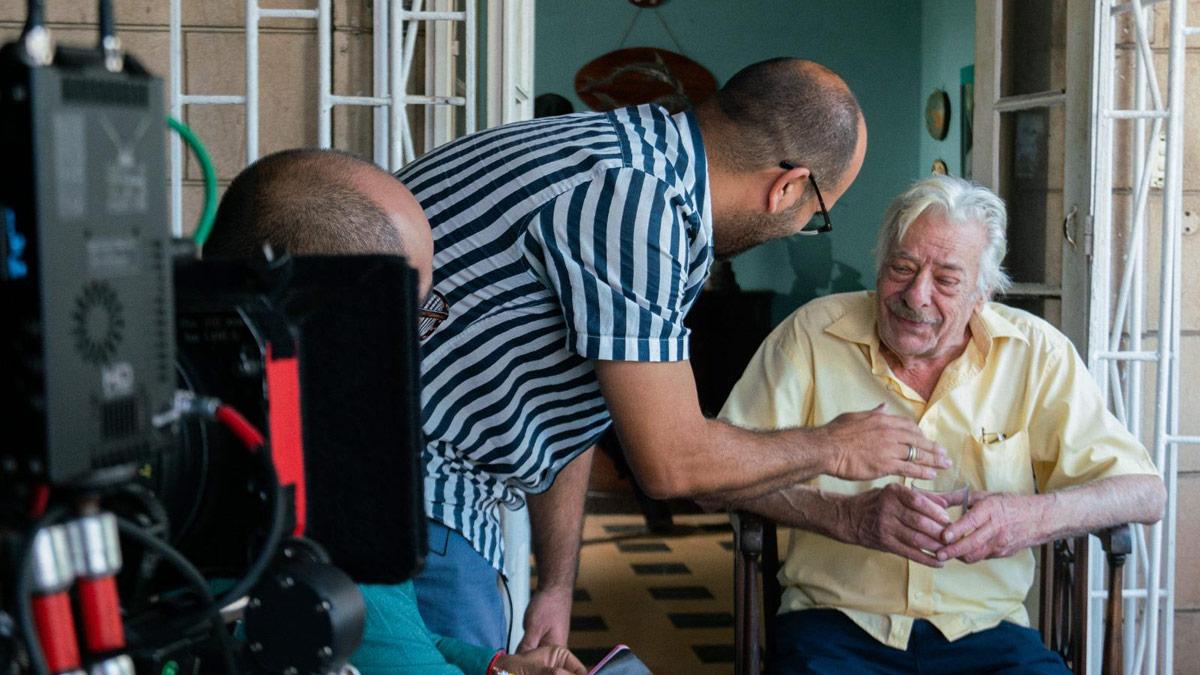
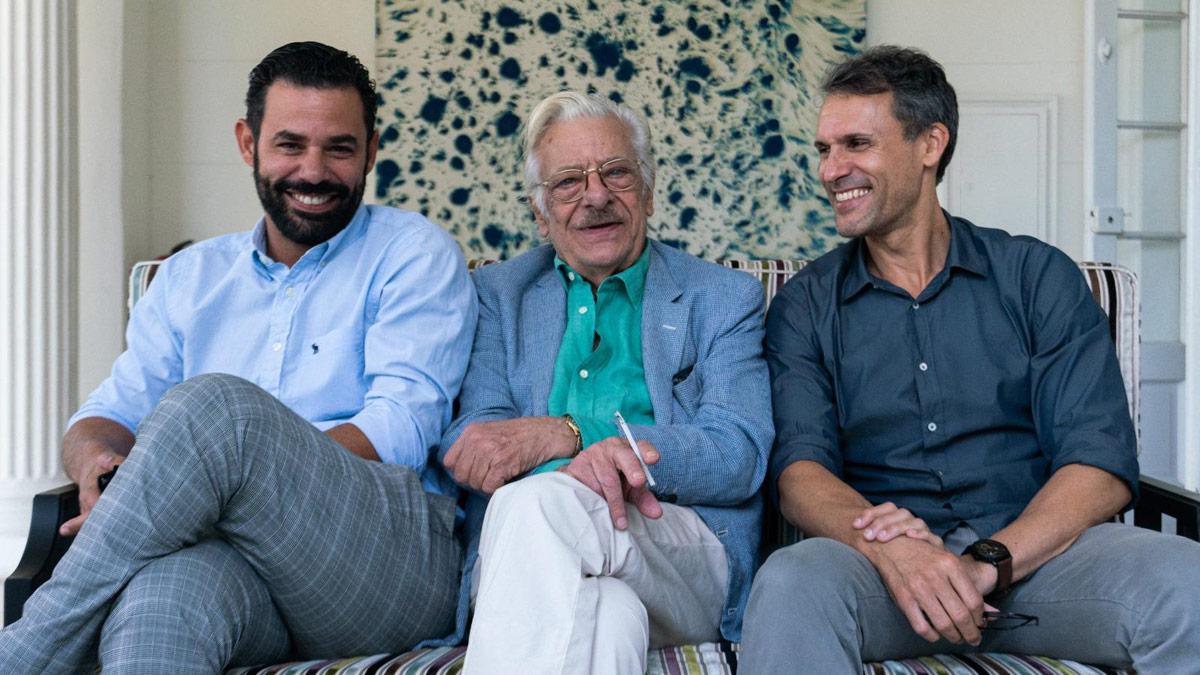
Baracoa stars Italy’s legendary Giancarlo Giannini as the 85-year-old father Felipe, an Italian revolutionary who, we learn, once fought in the Cuban Revolution alongside Fidel. Giannini’s character was inspired by the figure of the Italian Gino Donè who fought in the Cuban Revolution.
Cuban actor Carlos Luis González plays his son Pepe. Cuban actor Yadier Fernández portrays the doctor Jimmi and his alter ego by night, the drag queen Estrellita.
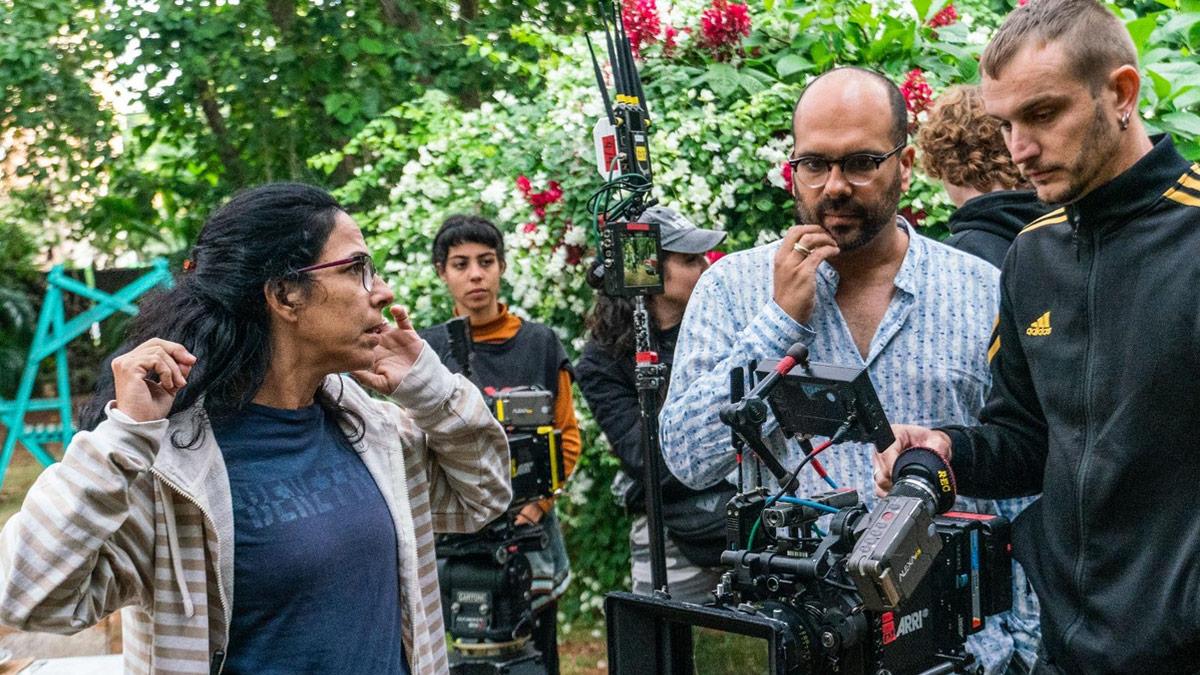
Doñas’ film reveals contemporary Cuba as it is: a nation in a state of revolution and evolution, a mélange of people, constant flux and contrast, colors and landscapes that form the backdrop of the protagonists’ journey. His film shows us that Cuba is many things beyond the tourist beaches, captured with the lyrical precision and cinematographic talent of Lorenzo Casadio Vannucci behind the lens. This is, after all, a road-trip movie, one that leads its characters toward transformation and personal growth.
Felipe looks out at the sea from Havana’s famed Malecón and at the evolving city from his balcony. He looks back on his memories of revolution and life lived. He maintains a deep friendship with his doctor, Jimmi, with whom he holds deep conversations and nostalgia for things past, perhaps something he longs to share with his son. As he writes in his diary from earlier years, “I should have stayed closer to Pepe, but out of my selfishness, I was in pain. The truth is, we grow old too soon and wise too late.”
His son, Pepe, born in Cuba, is caught up in dreams of foreign currency and materialism, and in illusions of escaping to Canada. He dismisses his father’s tales from the past as the irrelevant ramblings of an old man lost in his nostalgic memories.
Between father and son, the generational battle of values and beliefs arises. Early in the film, Pepe draws a line in the sand between the two with his accusatory, cutting statement: “The one thing I do know is that I don’t want to end up like you.”
Pepe discovers that at night Jimmi transforms into Estrellita and reports the discovery back to his father. Pepe is horrified, but Felipe is unfazed by his friend’s duality.
When Felipe dies, Pepe learns that his father has left Jimmi joint ownership of the family home in Baracoa. His father’s last wish is for his ashes to be buried beside his wife’s. Felipe’s final wishes compel the two men to travel together in Pepe’s red Chevrolet convertible to Baracoa, on Cuba’s eastern coast.
The two set off in the convertible on what we expect to be a hostile journey, beginning in a state of tension. But Estrellita’s wisdom and dignity, and the generous, humble, caring people they meet along the way, gradually change Pepe’s preconceived notions of Jimmi.
This journey embodies the road-trip genre at its best: the tale of two diametrically opposed men who discover friendship and identity on a path that is ultimately healing and deeply transformative.
Jimmi and Pepe travel the road to Baracoa, moving through the island’s changing landscapes as their personal journey of discovery unfolds along the road. From the wealth and modernity of Havana to the country’s back roads, villages, and aging hotels, the two travel towards reconciliation, understanding, and the ultimate transformation of both.
On his reasons for choosing Baracoa as the destination for his two protagonists, the director explained: “Baracoa is a journey into the ever-changing soul of Cuba, told through the encounter of opposing worlds that resist, transform, and reinvent themselves.” Father and son are these opposing forces who resist change; Pepe and Jimmi are opposing worlds. All resist, and all transform through the acquisition of new knowledge and experiences.
With this universally appealing, sensitive, and joyous film, Doñas demonstrates he is a rising filmmaker to watch out for.
Baracoa – Director: Luis Ernesto Doñas; screenplay: Luis Ernesto Doñas, Filippo Ascione
Producer: Francesco Papa, Carlos de la Huerta and Umberto Guido
Cinematography: Lorenzo Casadio Vannucci
Editing: Francesco Galli; Production design: Alexis Alvarez
Music: Bárbara Llanes
Cast: Carlos Luis Gonzalez, Yadier Fernández, Giancarlo Giannini, Carlos Pérez Peña, Ana Gloria Buduen, Giovanni Giusto, Mireya Chapman, Paula Ali, Yordanka Ariosa
Production: Pointmedia, De La Huerta Producciones; country of origin: Italy/Cuba, 2025; runtime: 107 minutes; distribution: White Lion Media.

T.K. Hernández is co-founder and editor at Cuba Business Report. Her work has been published in various online news media publications. Hernández has supported fundraising for Cuba’s last two hurricane disaster relief campaigns and is a member of the Canadian Network on Cuba. She is also a member of The Writers Union of Canada, and ACES International Alliance of Editors. Ms. Hernández is the author of three books, most recently, “The Cuba Interviews: Conversations on Foreign Investment and Economic Development,” (Palgrave Macmillan, 2023).